2022
Coco Crunchers begins
An educational platformer starts as a classroom idea and becomes a three-year research project.
About the studio
JugPanda Studios is a solo indie studio making original games across multiplayer horror, stylized action, education, satire, and simulation. The common thread is simple: build a playable idea, test it honestly, and let the strongest work grow.
The story so far
JugPanda Studios began with a question: can a game teach something measurable without becoming dry or manipulative? That work became Coco Crunchers, a multi-year educational platformer and released research project.
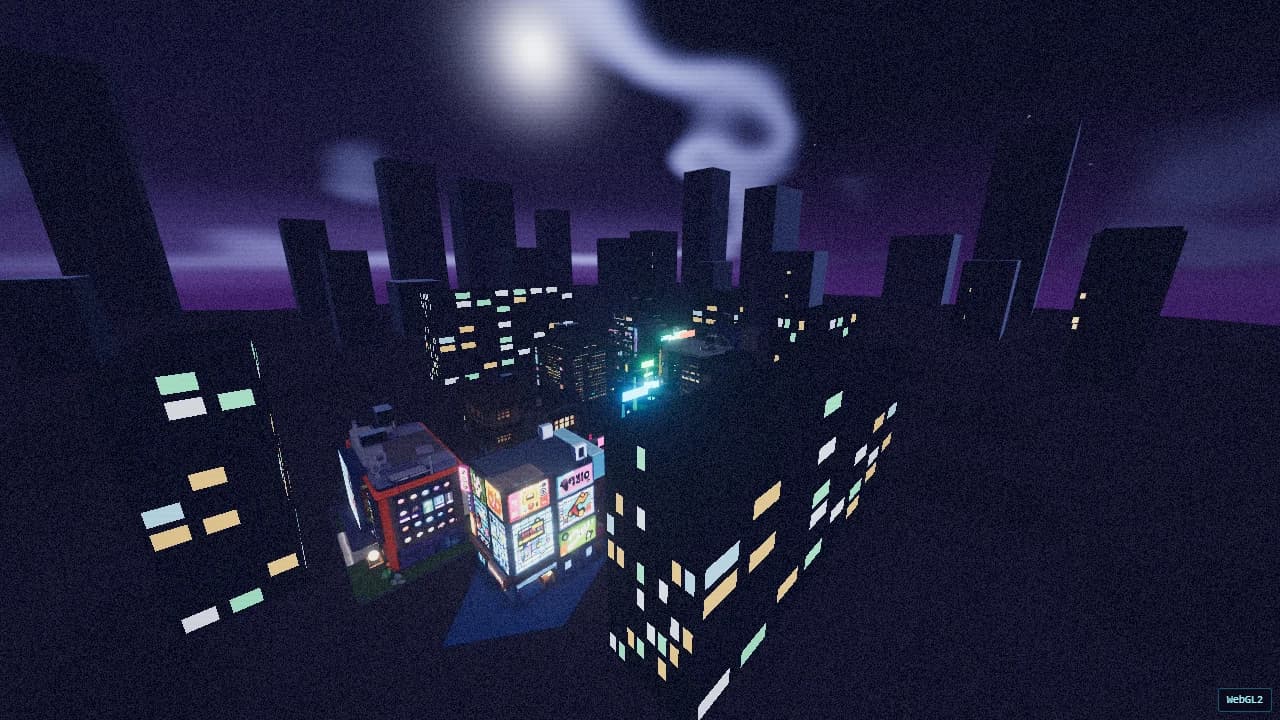
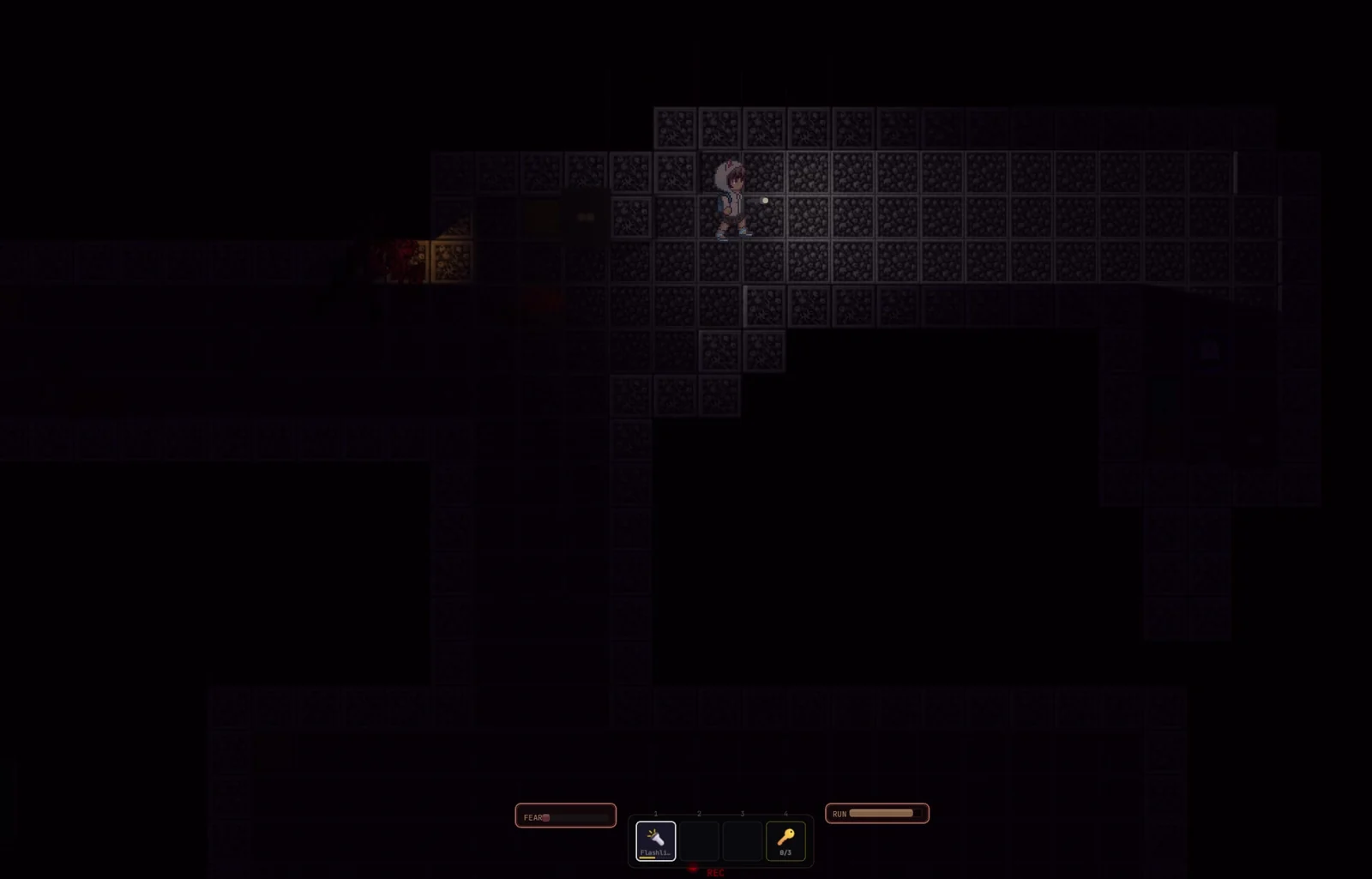
The studio has since expanded into original entertainment and focused prototypes. WHISPER explores multiplayer fear and microphone-driven pressure. VEILBREAK pushes toward a larger co-op action identity. Smaller games test mechanics, formats, and audiences quickly.
The studio remains intentionally small. That keeps the feedback loop direct: concept, playable build, test, revise, and decide whether the idea deserves more room.
2022
An educational platformer starts as a classroom idea and becomes a three-year research project.
2025
Coco Crunchers ships with measured learning results from 32 participants and a documented development history.
2026
WHISPER enters playable beta while VEILBREAK grows into the studio's next flagship action project.
How the studio works
01
Ideas earn scope through real builds, testing, and player response—not pitch language alone.
02
Horror, action, satire, and serious games should not look or feel like one interchangeable template.
03
Focused prototypes answer specific design questions and feed stronger systems into larger projects.
Play what is available now, then see what the studio is building next.